プロジェクト一覧に戻る / Back to projects
ビジョン Vision
本プロジェクトは、子供たちが都市の未来における能動的な参加者となることを支援します。ゲームベース学習(GBL)をまちづくりに統合することで、複雑な市民課題を魅力的で主体的な体験へと変革します。受動的な学習を超え、次世代の好奇心を刺激し、環境に対する当事者意識を育むツールを提供することは極めて重要です。 This project empowers children to become active participants in their city's future. By integrating Game-Based Learning (GBL) into urban planning, we transform complex civic challenges into engaging, proactive experiences. It is crucial to offer the younger generation tools that spark curiosity and foster a sense of ownership over their environment, moving beyond passive learning to active creation.
建築とゲームの架け橋 Bridging Architecture and Gaming
建築、都市デザイン、ビデオゲーム、そして教育の境界線は急速に曖昧になりつつあります。今日、建築家とゲームデザイナーは、リアルタイム3Dエンジンのような高度なツールや類似した方法論を共有しています。私たちはこの融合を活用して空間的思考や協調的デザインを教育し、ゲームのレベルデザインの論理が現実のコミュニティ計画に有効であることを実証します。 The boundaries between architecture, urban design, video games, and education are rapidly blurring. Today, architects and game designers share the same sophisticated tools — such as real-time 3D engines — and similar methodologies. We leverage this convergence to teach spatial thinking and collaborative design, demonstrating that the logic of game level design can effectively inform real-world community planning.
若者参加の課題 Challenges in Youth Participation
日本における若者の参加には、文化的・構造的な課題があります。 Youth participation in Japan faces cultural and structural hurdles:
- シャイネス / Shyness: 人前で話すことへの躊躇 / limiting public speaking.
- 受動性 / Passivity: 調和を重んじる文化 / perceived as social harmony.
- 厳格な学校制度 / Rigid School System: 市民活動の機会が少ない / leaving little room for civic engagement.
ゲームベース学習 (GBL) の利点 Benefits of Game-Based Learning
ビデオゲームは「保護的な媒介」として機能し、空間思考を高めます。 Video games act as a "protective mediation" and enhance spatial thinking:
- 3D認識と奥行き知覚の向上 / Improvement of 3D perception and depth.
- 創造的・建築的なインスピレーションの発見 / Discovery of creative and architectural inspirations.
- 戦略的思考の育成 / Development of strategic thinking.
- チームワークと社会的つながりの促進 / Encouraging teamwork and social connections.
方法論 Methodology — 5 phases
5つのフェーズで構成されるオープンソース型ワークショップの枠組みを提案します。 We propose an open-source workshop framework structured in 5 phases.
- Phase 1 — データ取得 / Data Acquisition: 現地調査およびPLATEAU(GIS)オープンデータの活用 / field observation and use of PLATEAU (GIS) open data.
- Phase 2 — 目標によるデザイン / Design by Objectives: ミッションに基づくデザイン(例:日陰の創出、ベンチの設置など)/ mission-based design (e.g. creating shade, installing benches).
- Phase 3 — 協調的モデリング / Collaborative Modeling: 共同デザインおよび3Dモデリング体験 / co-design and 3D modeling experience.
- Phase 4 — インタラクティブな探索 / Interactive Exploration: サードパーソンコントローラーを用いたデザイン空間の探索 / exploring the designed space with a third-person controller.
- Phase 5 — 評価 / Evaluation: まちづくりやITへの関心に関するアンケート評価 / survey evaluation of interest in community design and IT.
ワークショップ Workshop — 17 December 2025, Yokohama
2025年12月17日、横浜市立みなとみらい本町小学校にて実施。各グループ(約5名)に大学生スタッフ1名が配置され、計6グループでセッションを進行しました。当日の流れは、導入(10分)、協調的デザインによるモデリング(50分)、各グループの発表と教員・研究者による講評(30分)です。テーマは「みんなのまち みなとみらい」、対象地は高島中央公園でした。 Conducted on 17 December 2025 at Minatomirai-Honcho Elementary School, Yokohama. The session is organized into 6 groups (approx. 5 students each), each supervised by a university assistant. The day combined a 10-minute introduction, 50 minutes of collaborative design on the theme "Minatomirai for Everyone" (targeting Takashima Central Park), and a 30-minute presentation and feedback session by professors and researchers.
写真 Photos
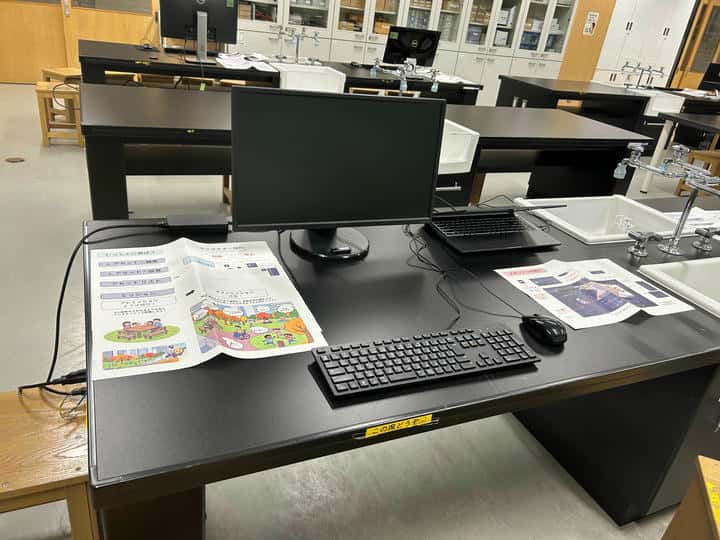 [ Phase 1 — Data Acquisition / データ取得 ]
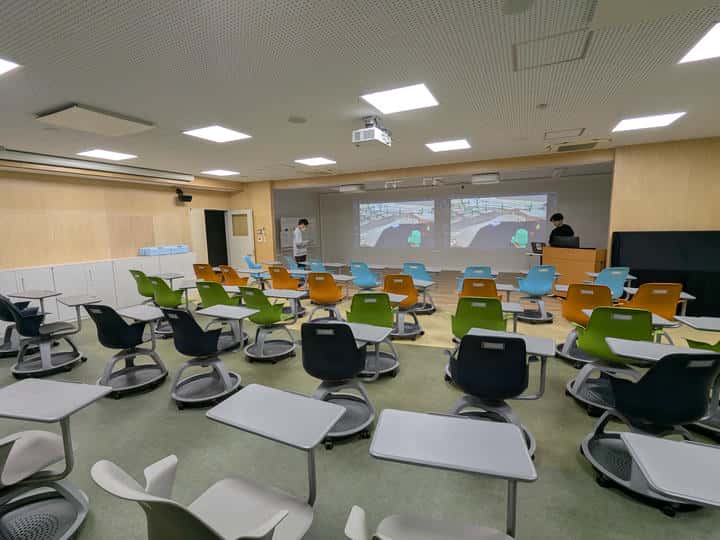 [ Phase 2 — Design by Objectives / 目標によるデザイン ]
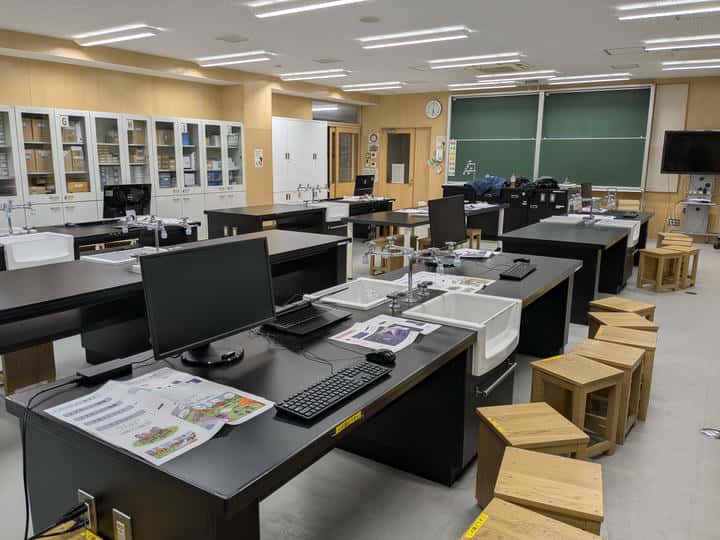 [ Phase 3 — Collaborative Modeling / 協調的モデリング ]
成果と数字 Outcomes & Figures
- 0 — 予算ゼロで実施可能(オープンソース)/ Zero budget (Open Source).
- 30+ — 参加学生数 / participating students.
- 12 — 創出プロジェクト数 / projects created.
- 9 — 協力者数 / collaborators.
作品はワークショップ後も保存・共有され、子供たちが自分の作品に誇りを持ち、協力して改善を続けられる仕組みになっています。 Projects are saved and shared after the workshop to foster pride in the children's work, and to enable collaborative improvements over time.
関連論文 Related Publications
- L. Martial, H. Kubono, S. Miura (2025): Game-Based Learning and Machizukuri — Gamification in youth participatory urban planning in Japan / Game Based Learning (GBL) とまちづくり: 日本における若者参加型都市計画のゲーミフィケーション. JSCE, The 72nd Conference on Infrastructure Planning and Management, 2025/11/21.
- L. Martial (2019): A city is not a game — Urban development approaches and challenges by video games and smart cities / 都市はゲームではない:ビデオゲームとスマートシティによる都市開発のアプローチと課題. Géographie et cultures, 109, 55–72. doi:10.4000/gc.9986